When OEM specifications are not an exact match, the right next step isn’t guesswork—it’s a structured evaluation of repair, replacement, and reverse-engineering options that helps keep legacy printing and packaging equipment running productively.
For companies running legacy printing and packaging equipment, one of the most common questions is whether an OEM part specification or historical reference is already available. That’s why many customers reach out to MGF Services & Equipment, expecting that we already have the OEM specifications or documentation tied to the equipment they’re running.
In many cases, that expectation is well‑placed.
In many cases, that expectation is well placed, especially because much of this equipment remains in service long after its original lifecycle and often includes years of modifications, rebuilds, and updates.
That depth is one of the primary reasons customers come to us first.
But there are times when an inquiry doesn’t align with an exact specification.
That’s where our evaluation process begins — not with assumptions, and not with a one‑size‑fits‑all solution.
Step One: Confirm What We Already Know
Our starting point is always to determine:
- What OEM specifications do we already have on file
- whether we’ve worked on the same or similar equipment before
- If variations occurred over time within the same platform
Often, this review alone resolves the request quickly.
When it doesn’t, we move to the next step — evaluating options carefully before asking for parts to be removed, shipped, or recreated.
Step Two: Evaluate Options Before Committing to a Path
When there’s no exact spec match, we don’t default to a single answer. Instead, we evaluate the most practical path forward based on cost, timeline, risk, and production impact.
That evaluation typically includes:
Repair or Refurbishment
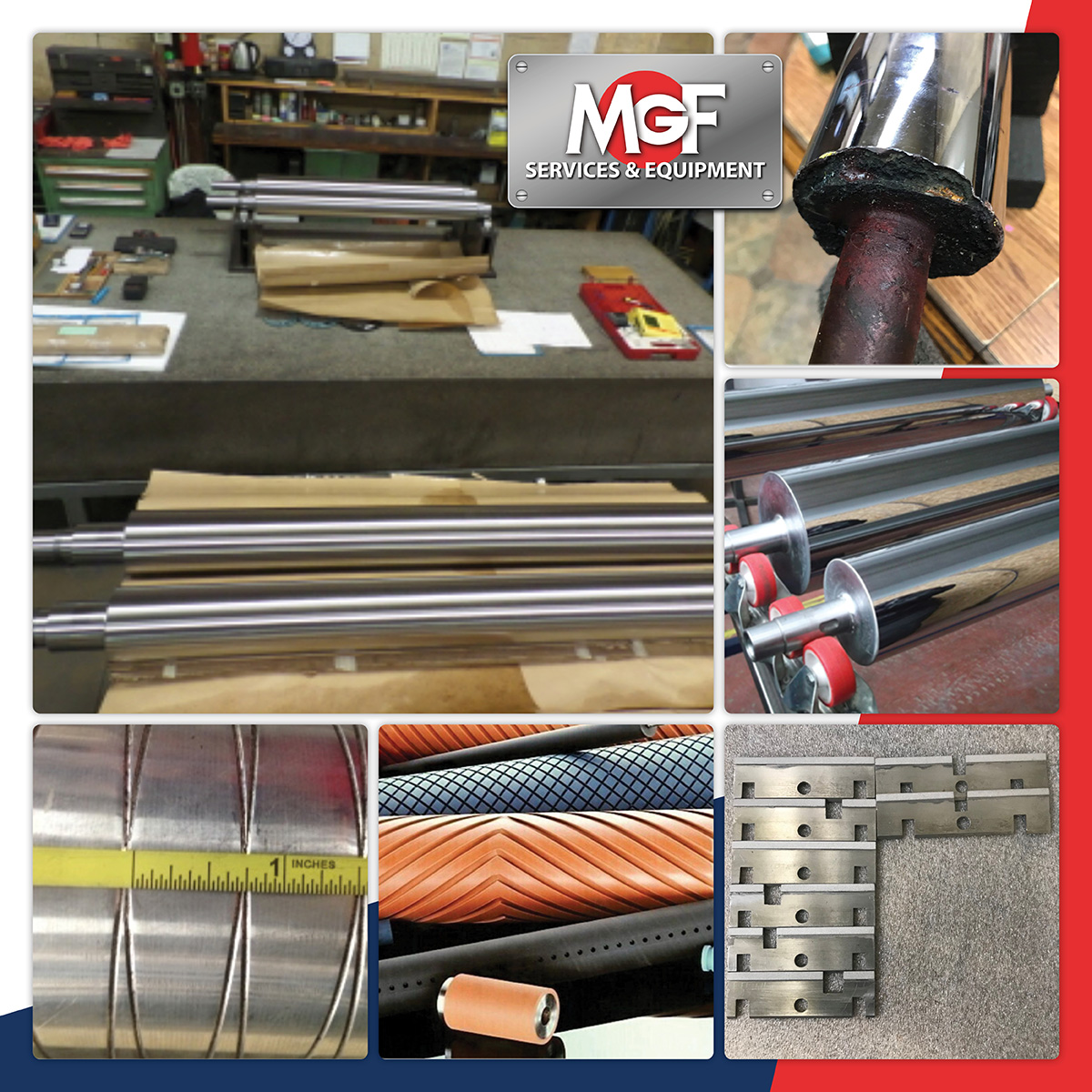
If the base component is structurally sound, repair can often be the most efficient and cost‑effective solution — especially when wear or performance drift is the concern.
Replacement Manufacturing
When repair isn’t appropriate, we assess replacement options using functional requirements, operating conditions, and known specifications — even without an exact original reference.
Secondary or Pre‑Owned Resources (When Appropriate)
In certain situations, particularly with older or long‑running equipment, secondary‑market or pre‑owned resources may be worth checking. This is never assumed, but it is one of several options reviewed when applicable.
Reverse Engineering (Only When Necessary)
Reverse engineering is a valuable tool — but it is not the starting point. We move in this direction only when it’s the most responsible and effective option.
Why This Matters for Long‑Running Equipment
Printing and packaging equipment isn’t static. Machines are modified, rebuilt, updated, and kept in service for decades.
Rushing into a solution without evaluating alternatives can create unnecessary cost, downtime, or rework.
By weighing multiple paths first — guided by accumulated specifications and real‑world experience — we help customers make informed decisions that align with their operational needs.
What Helps Us Move Faster When There’s No Exact Spec Match
When additional evaluation is required, the following information helps us move efficiently:
- OEM manufacturing part number (if available)
- photos of the part or installation area
- basic reference dimensions
- the part’s function in the process
- Symptoms or performance issues observed
This allows us to plan intelligently before any part leaves your facility.
Bottom Line
Most customers come to MGF expecting we already have the answer — and often, we do.
When an exact specification isn’t available, we don’t guess. We work through proven options, guided by experience, documentation, and practical realities.
That methodical approach is how equipment stays productive — and why customers continue to rely on aftermarket expertise.
Call to Action
If you’re working with equipment where support isn’t always straightforward, reach out with part details or OEM references. We’ll help determine the most practical path forward before the next steps are taken.