For many printing, packaging, and converting facilities, aging equipment remains a major part of daily production. These machines may have delivered reliable service for decades, but eventually every operation reaches the same question: Is it better to rebuild the equipment, retrofit it, or replace it entirely?
There is no one-size-fits-all answer. New equipment can bring modern automation, higher speeds, and updated safety features, but it also requires significant capital investment and often comes with long lead times, installation planning, and training demands. In many situations, a rebuild or retrofit of an existing machine can provide a stronger return on investment while preserving a proven production platform.
When a Rebuild Makes Sense
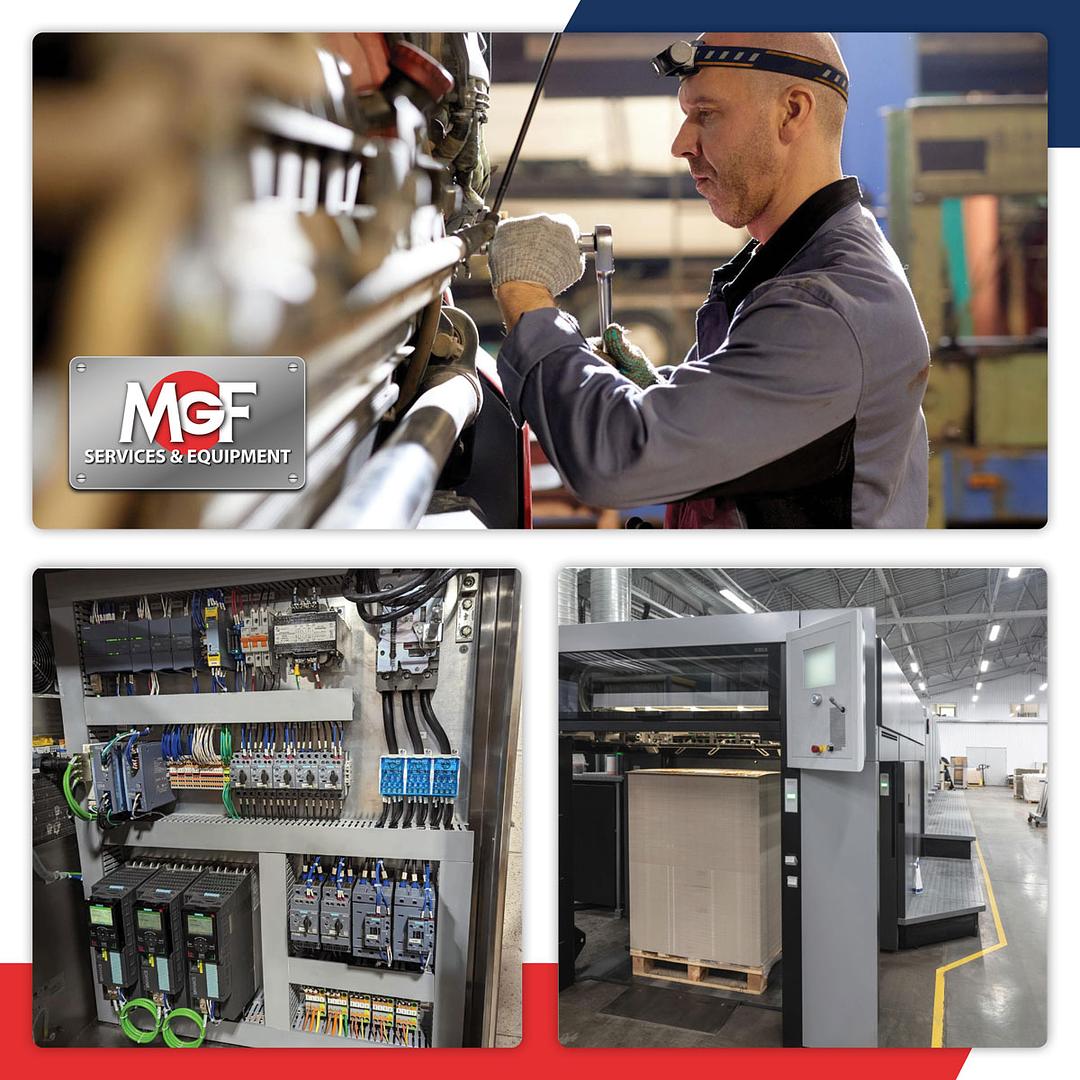
A rebuild is often the best option when the machine frame, core mechanical systems, and overall structure are still sound. Replacing worn bearings, rollers, drives, gears, pneumatic components, and other critical wear items can restore performance, improve reliability, and extend useful equipment life. For operations running older but fundamentally solid machinery, rebuilding can be a highly practical way to improve output without the cost of buying new.
When a Retrofit Makes Sense
A retrofit is often the better path when production requirements have changed or newer technologies can improve performance. Updating controls, drives, operator interfaces, automation packages, web handling components, or safety systems can significantly improve productivity and efficiency. In many cases, a retrofit allows a company to modernize critical functions while avoiding the downtime, expense, and disruption associated with a full replacement.
When Replacement Is the Better Choice
Replacement becomes the stronger option when equipment reliability has declined significantly, production requirements exceed what the machine can realistically deliver, or parts availability and OEM support have become serious concerns. Replacement may also make the most sense when repeated maintenance costs, unplanned downtime, and lost production outweigh the long-term value of keeping the existing asset in service.
What to Evaluate Before Making the Decision
Before committing capital to any of these paths, it is important to conduct a comprehensive equipment assessment. That evaluation should look at mechanical condition, electrical and control system limitations, parts availability, OEM support, safety compliance, maintenance history, production goals, and long-term operating costs. The objective is not simply to find the lowest short-term cost. The goal is to make the decision that best supports reliability, productivity, and return on investment over time.
A thoughtful evaluation can also help uncover factors that are often missed in an internal review. Lead times for new equipment, hidden mechanical wear, outdated controls, risk of obsolete parts, and the cost of production disruption all affect the real business case. In many operations, preserving a proven machine platform while selectively rebuilding or upgrading key systems can be the most efficient and cost-effective solution.
How MGF Services Can Help
At MGF Services, we help companies evaluate aging equipment based on real operating conditions and practical field experience. Our work includes assessing mechanical condition, reviewing electrical and control upgrade opportunities, identifying parts availability concerns, and helping clients understand where OEM support limitations may create long-term risk. From there, we provide practical guidance on whether rebuild, retrofit, or replacement is the best fit for the equipment, the operation, and the business goals involved.
If your operation is evaluating an older press, converting line, or finishing system, the right decision starts with a clear assessment. A disciplined review of the machine’s condition, upgrade potential, and long-term support outlook can prevent costly mistakes and help you invest with confidence.